The Clean Economy Bridge
Research Program
The Clean Economy Bridge Research Program is a collaborative initiative between Student Energy and adelphi to promote transatlantic cooperation and climate policy among young leaders from Canada, the United States, and Germany.
Program Overview
The Clean Economy Bridge Research Program is a new opportunity for youth from* Canada, the United States, and Germany to lead tangible, policy-relevant research on key topics driving the clean energy economy and transatlantic cooperation.
This program is a collaboration between Student Energy, adelphi, and the Clean Economy Bridge – a broader initiative advancing the clean economy through dialogue, innovation, and cross-border partnerships between Europe and North America.
The program will support diverse 12-15 young leaders, aged 18-30, and with a demonstrated connection to Canada, USA, and/or Germany, to:
- Conduct collaborative research on transatlantic clean economy cooperation, with a focus on AI applications, energy & agriculture, climate policy, and sustainable energy systems
- Gain access to personalized mentorship, learning modules, and expert insights
Applications are now closed.
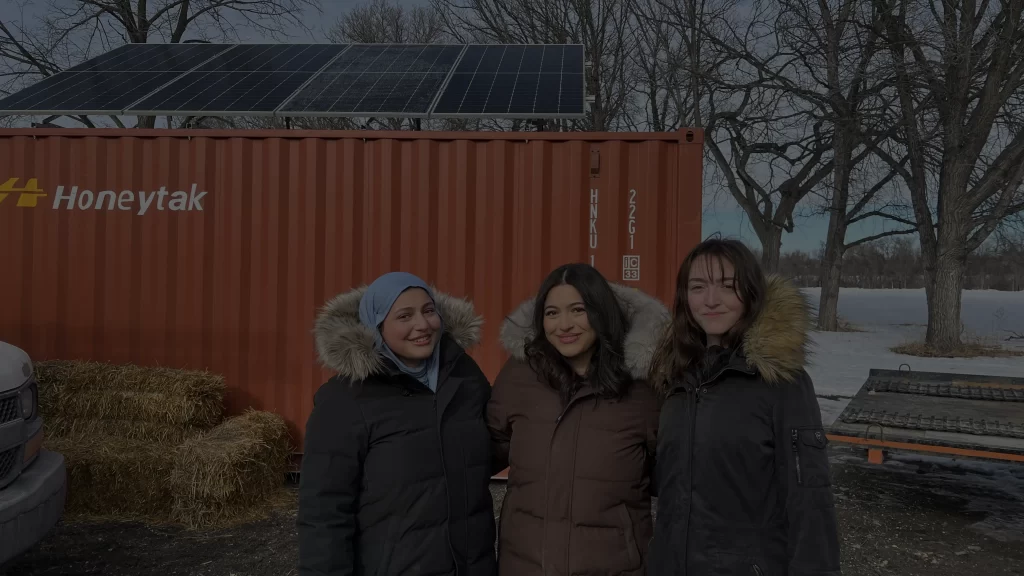
Meet the Cohort
Energy & Agriculture
-

- Ralph
-

- Yuuki
-

- Raian
The Energy & Agriculture team is investigating the growing competition over water resources between farmers (for irrigation) and AI data centers (for cooling).
By focusing on water-stressed regions in the U.S. and Germany, the team’s research aims to find potential opportunities for collaboration rather than conflict between the two critical sectors. The end goal is to identify policy solutions that support both agriculture needs and growing demands of AI technology.
Renewable Energy Expansion & Grid Integration
-

- Chisom
-

- Evan
-

- Lydia
-
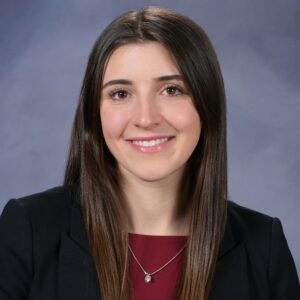
- Evelyn
The AI boom is driving unprecedented data center growth across North America, straining grid capacity—PJM’s 2025 capacity prices hit the administrative ceiling. While solar-plus-storage offers a clean solution to meet this demand, critical uncertainty remains about whether variable renewables can maintain the constant, high-quality power that data centers require.
This research hopes to fill a key evidence gap by providing a rigorous technical-economic analysis of the role solar-plus-storage can play in PJM territory, as data centers increase the load on grids.
Though focused on PJM—North America’s largest grid operator—the methodology and findings will be directly applicable to other ISOs/RTOs (CAISO, ERCOT, NYISO, MISO) facing similar challenges of balancing data center growth with renewable energy integration and grid reliability.
Innovative Policies & Market Mechanisms
-

- Selina
-

- Annabell
-
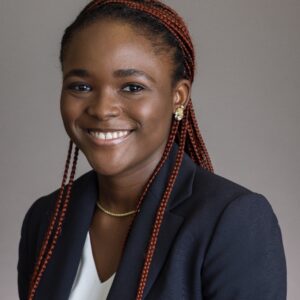
- Ihotu
-
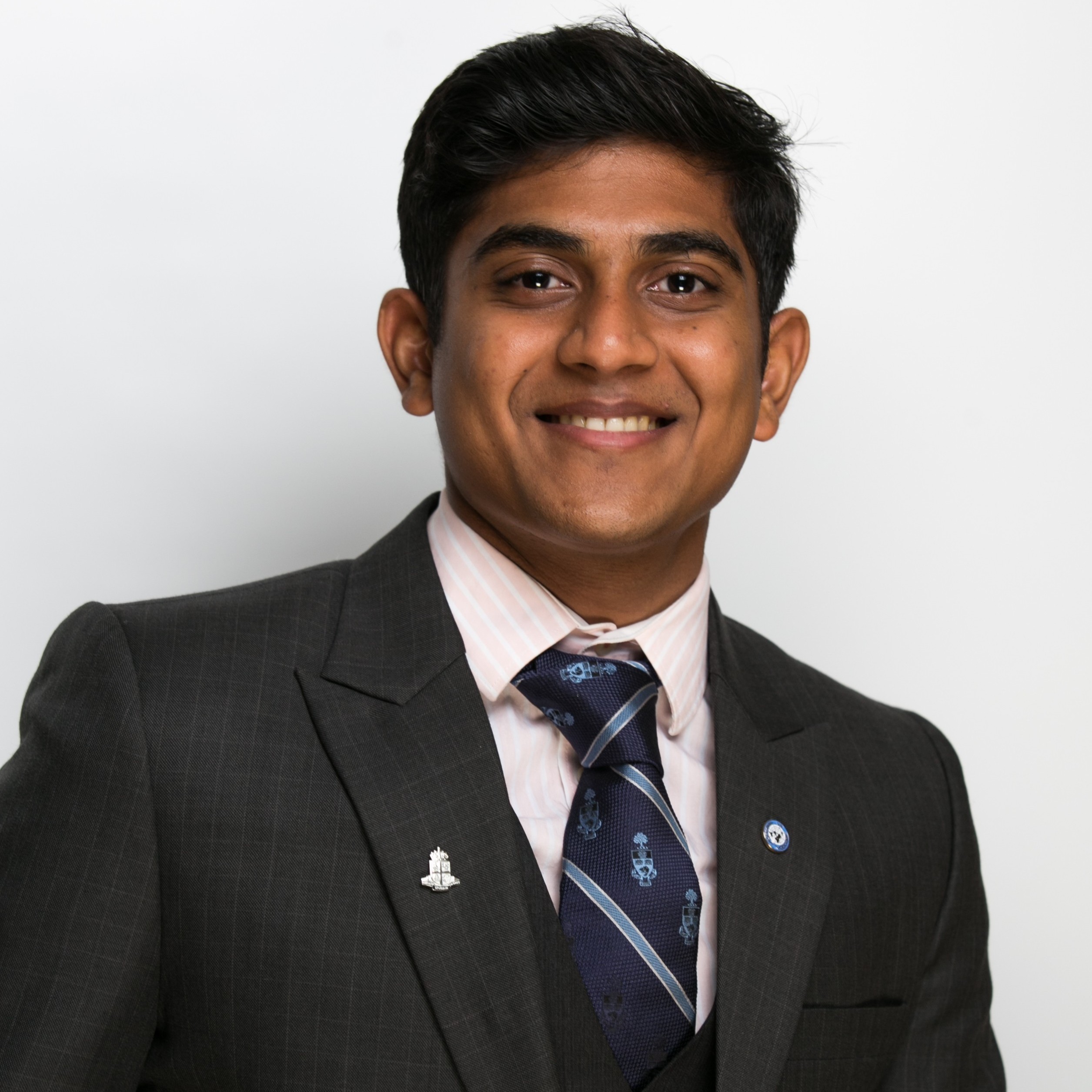
- Atharv
This project, “Beyond Reskilling: Just Transition Strategies for Fossil-Fuel-Dependent Economies in Germany and North America,” examines how Germany’s coal transition policies in North Rhine-Westphalia can inform communities in Canada and the U.S.
It evaluates the real-world effectiveness of reskilling programs by considering community infrastructure, healthcare, and quality of life.
With 64 million Americans relying on fossil fuels, the research bridges European and North American contexts to assess how Germany’s just transition model can translate across differing social and political landscapes.
Program Cohort Testimonials
ATHARV AGRAWAL
“The energy transition demands intentional, sustained collective action, and the youth are not just the future of climate action—they are the present. TCB is a one-of-a-kind program that provides students and young professionals like me the opportunity to dive deep into the granular topics within the transition through rigorous research, meaningful collaboration, as well as expert mentorship…”

SELINA SHIBATA
“The TCB program was an incredibly meaningful experience for me, both personally and professionally. It gave me the opportunity to connect with people from all over the world who share the same, if not an even greater, passion for energy and climate advocacy. Working alongside such motivated and diverse individuals made the experience both inspiring and rewarding…”
EVAN PARK
“The TCB Program was a valuable experience that strengthened my ability to collaborate effectively online with people from around the world. I learned how significantly energy policy can vary across states and how those differences directly shape regional energy landscapes. It also allowed me to build global connections and gave me a deeper appreciation for the extensive research and coordination that goes into policy decisions.“
Requirements to Apply
Age Eligibility: |
|
Transatlantic Representation: |
|
Educational and Professional Background: |
|
Age Eligibility:
- Applicants must be between 18 and 30 years of age at the time of application
Transatlantic Representation:
- Participants must demonstrate a strong connection to Germany, the United States, or Canada, with representation from all three countries guaranteed. This may include (but is not limited to) citizenship, residence, academic or professional experience, or demonstrated interest in energy and climate policy in one or more of the three countries.
- Participants do not need to be current residents or citizens of these countries.
Educational and Professional Background:
- Diverse academic disciplines that intersect with clean economy themes, including but not limited to:
- Energy & Agriculture
- AI & Energy
- Environmental science, policy, or engineering
- Economics, business, or finance
- International relations or political science
- Non-traditional educational backgrounds are encouraged, including:
- Trade school graduates
- Vocational training programs
- Alternative certification programs
- Professional experience in relevant fields is welcome
Program Commitment
-
~5 hours/week virtually.
Additional Considerations
- Applicants should demonstrate interest in youth leadership and energy sector innovation
- International perspective and cross-cultural collaboration experience preferred
About our Partners
adelphi is a leading German think tank and public consultancy on climate, energy, and development.
Clean Economy Bridge is a transatlantic initiative that builds cooperation to accelerate the clean energy transition
Keep up to date by following our socials


Stepping out of your comfort zone can take you far. 🚀
This time, it took me to the heart of Amazon Rainforest in Brazil 🇧🇷, for the #SES2026. Alongside a network of delegates from over 50 countries, we discussed various emerging topics – from challenges in the energy sector to the ...

Excited to share that I have completed the Student Energy Career Training (SECT) Program, Cohort 6, with a distinction award 🥳. Being part of a dynamic group of young African women passionate about shaping the future of energy in Africa was transformative. I gained in-depth insights into energy s...